19 October 2026
Forty addresses, three live sites, and the morning that proved it
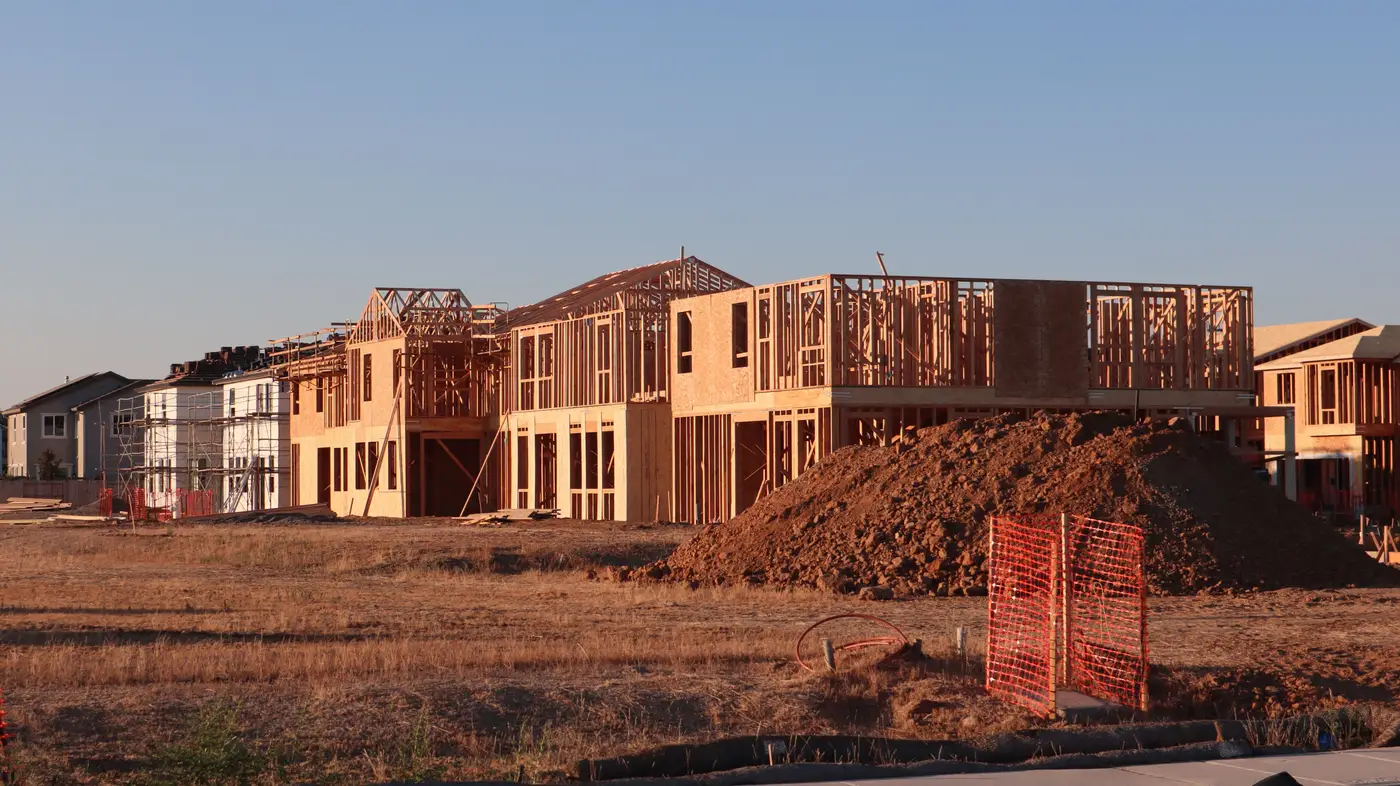
Tuesday, 7:40 a.m. Coffee in the cupholder, list printed out, forty addresses in three ZIP codes. By any reasonable measure that's a good morning of calls. By lunchtime I'd talked to three people who had a reason to buy anything.
The other thirty-seven were mistimed for where the site sat that morning. A few were foundations still curing, nothing above grade, no reason on earth for anyone there to care about what we sell. A couple were already closed in and drywalled, long past the window where our stuff gets specified. One address turned out to be a lot that had been sitting untouched since spring, permit expired, equipment gone, grass coming up through the gravel. That one stung a little, honestly, because it had been on the list for three call cycles and nobody had thought to pull it.
This is the part of the job nobody puts in the job posting: most days the work isn't closing anything, it's figuring out, over and over, which of the forty doors on your list are even worth knocking on today. The list itself doesn't tell you that. A list tells you an address exists and somebody pulled a permit there eight months ago. It doesn't tell you whether the crane showed up yet.
I've been doing territory calls for going on eleven years now, and the trick I keep relearning is that the list and the job site are two different documents updated on two different clocks. The list gets built once, off permit data, and then it sits there looking authoritative while the site moves through stages on its own schedule, weather and subs and material delays and all of it. By the time a list is six weeks old, it's basically fiction for half the addresses on it.
The three that worked that Tuesday were sites where I could see new material or equipment on the ground that hadn't been there on my last pass. Stacked block at one. A scissor lift parked where there hadn't been one before at another. The third I only caught because I happened to drive by it on the way to the second call and noticed the excavator was gone and framing lumber had shown up in its place. None of that was on my list. All of it was the reason those three calls turned into real conversations instead of a voicemail to a super who hasn't thought about us once.
What gets me is how much of the morning was just windshield time spent re-deriving information that somebody, somewhere, could already see. The stuff parked on a site tells you what phase it's in better than any permit date does. Dirt work on a site means the crew is still weeks out from framing. A tower crane up means structure, not finishes. It's plain information, and nobody's been collecting it and handing it to the rep before the rep gets in the truck.
That's the gap we built Plant On Site to close. Feed it the same address list you'd have printed out anyway, and it comes back telling you which of those sites moved into groundworks, structure, or fit-out since the last pass, read off what's actually parked and stacked there from aerial imagery updated roughly every two weeks. You still make the calls. You just stop making thirty-seven of them to sites that aren't ready for you yet.
I'm not saying every call needs to be a hit. Some mornings three out of forty is a fine ratio if those three are the right three. The waste happens before the call, when you don't know ahead of time which ones are going to be misses and you burn the gas getting there anyway.
If your list is telling you where to go but not when to go there, that's worth fixing before the next call cycle.