Blog
16 November 2026
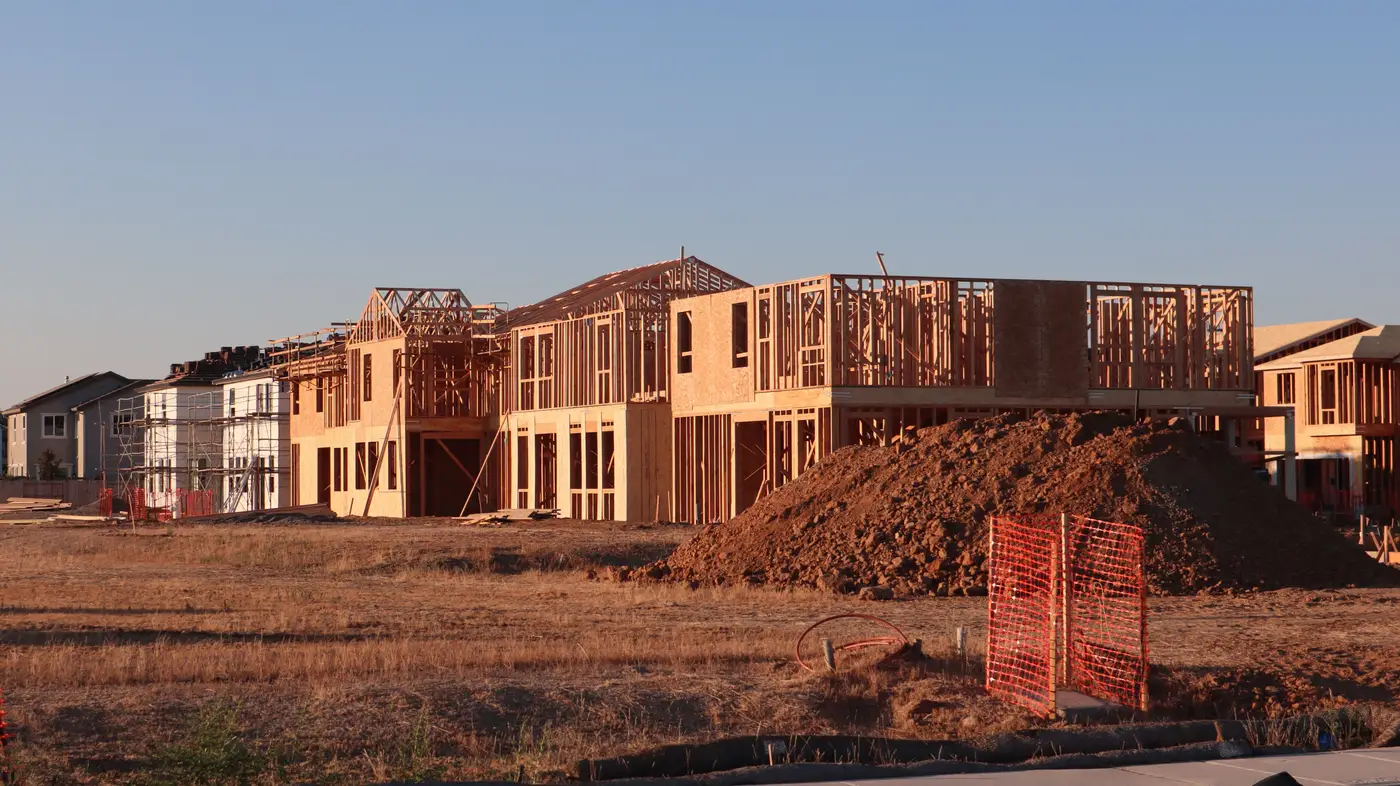 Field notes: the subdivision where every lot was a different stage
A field note on a subdivision where every lot sat at a different build stage, and what that means for how reps should be working the call list.
16 November 2026
 What a dumpster on a job site tells you about build stage
A roll-off's size and contents are a free build-stage signal. Here's how to read one from the street and when it stops being reliable.
9 November 2026
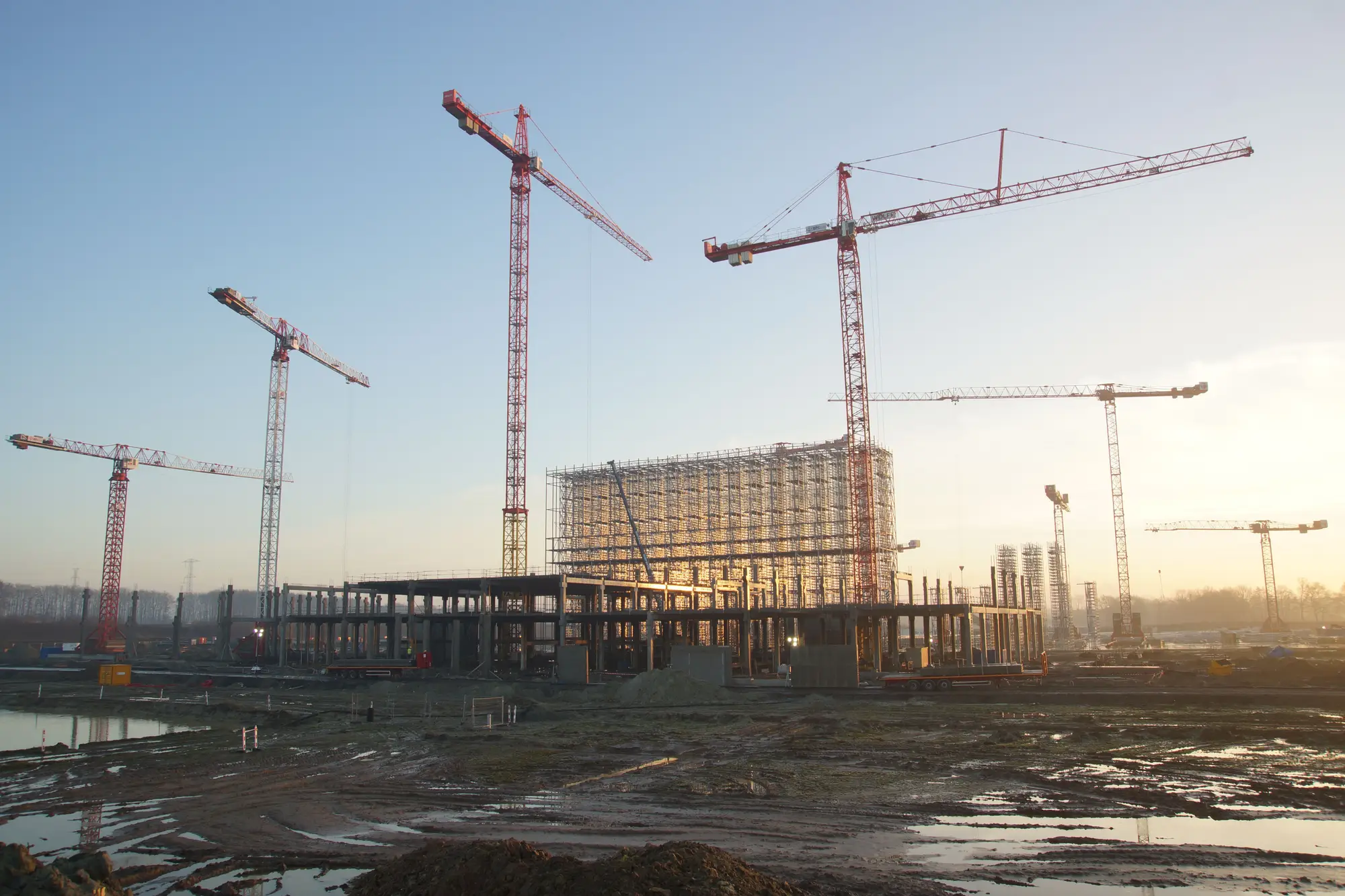 What is a buyout schedule, and why it tells you which subs are coming next
Buyout schedule construction meaning, explained for suppliers: what it is, why it predicts which subs mobilize next, and what to do without one.
9 November 2026
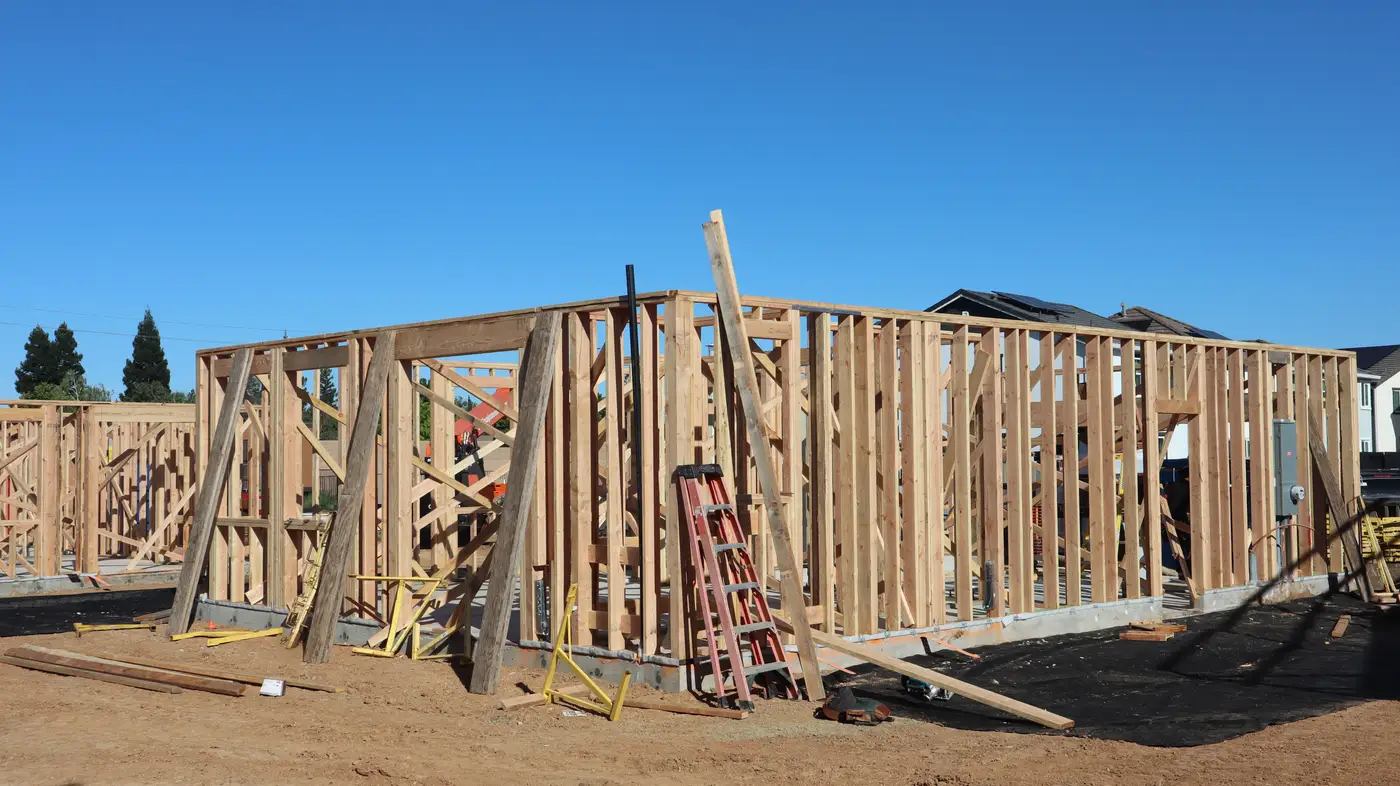 What is a material release in construction (and why you can't ship without one)
Material release defined: the authorization that lets a supplier ship, why it's not the PO, and how it differs from release for fabrication.
2 November 2026
Field notes: the Tuesday the counterweight showed up before the permit didA rep's field note on a crane counterweight that beat the permit to the site, and what it taught about reading build stage from equipment alone.
2 November 2026
What is mobilization, and why it's too early to call most suppliersMobilization means a trailer and a fence, not rebar and pours. Here's how to spot the difference before you waste a call on it.
26 October 2026
Steel erection vs. stud framing: what you're looking at from the roadA practical guide to telling structural steel erection apart from metal stud framing from the road, so you know which trade to call and when.
26 October 2026
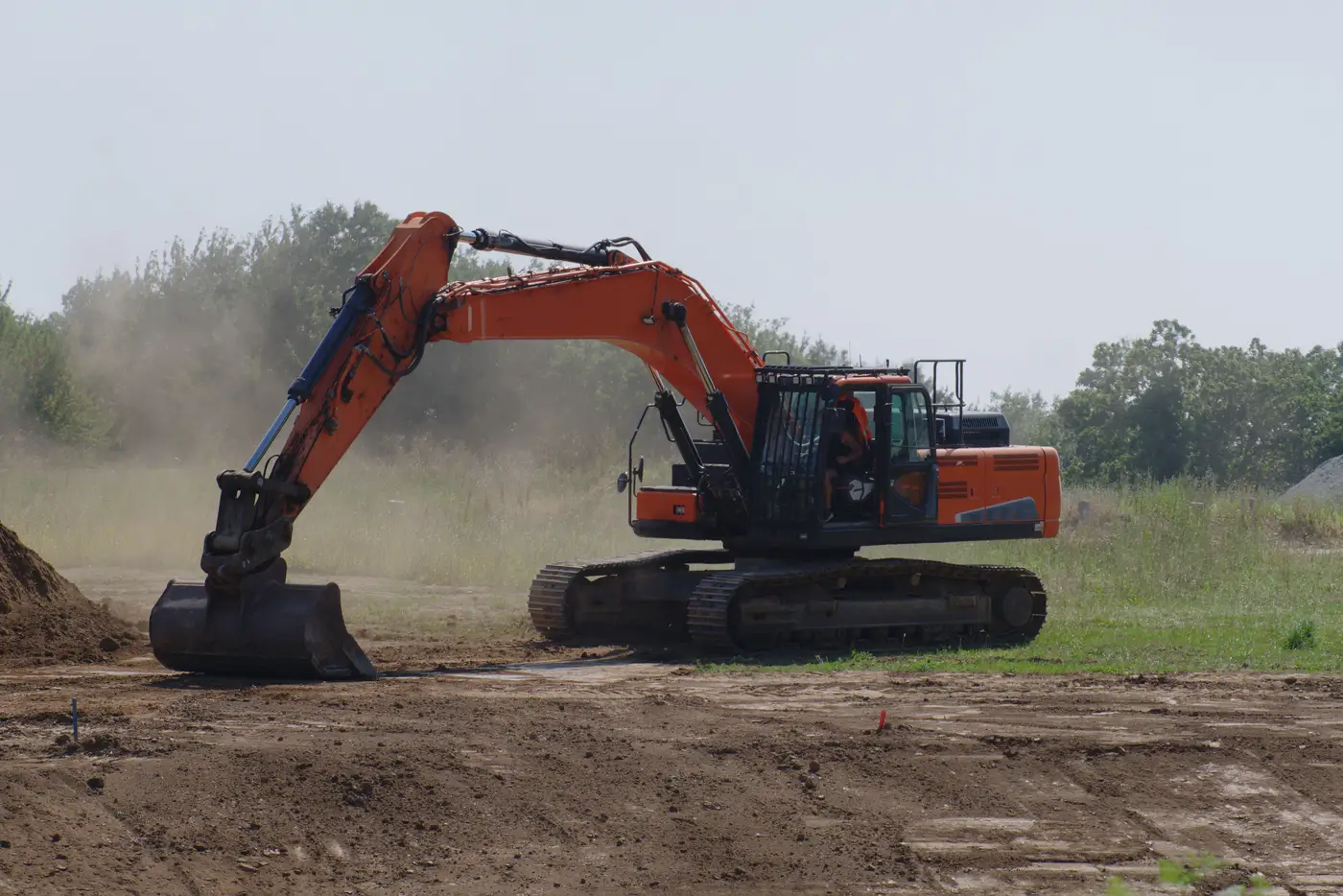 What a submittal is and why it delays your first call to a job site
What a submittal is, how long approval takes, and why groundbreaking dates don't tell you when your trade is locked in on a job.
19 October 2026
Forty addresses, three live sites, and the morning that proved itA rep's field notes from a forty-call morning: how a stale list wastes a territory day and what build stage timing would have saved.
19 October 2026
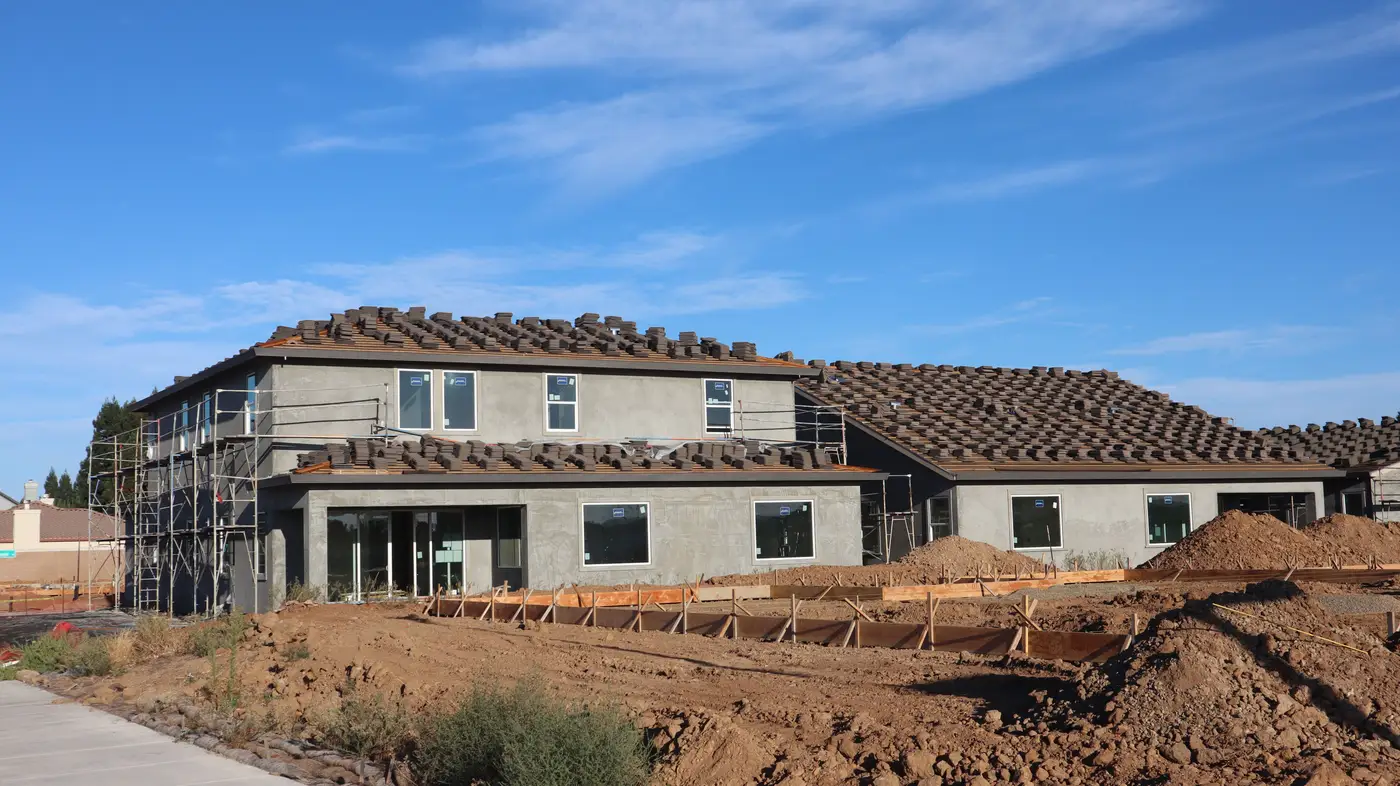 How to find out who's running the job before you call the sign number
The number on the permit sign rarely reaches the super. This is how reps track down the job site contact before they dial.
14 October 2026
When to call about drywall: timing the order around framing's last weekThe drywall order call has a real window between rough-in and rock delivery. Here's how to read a framing site so you hit it.
14 October 2026
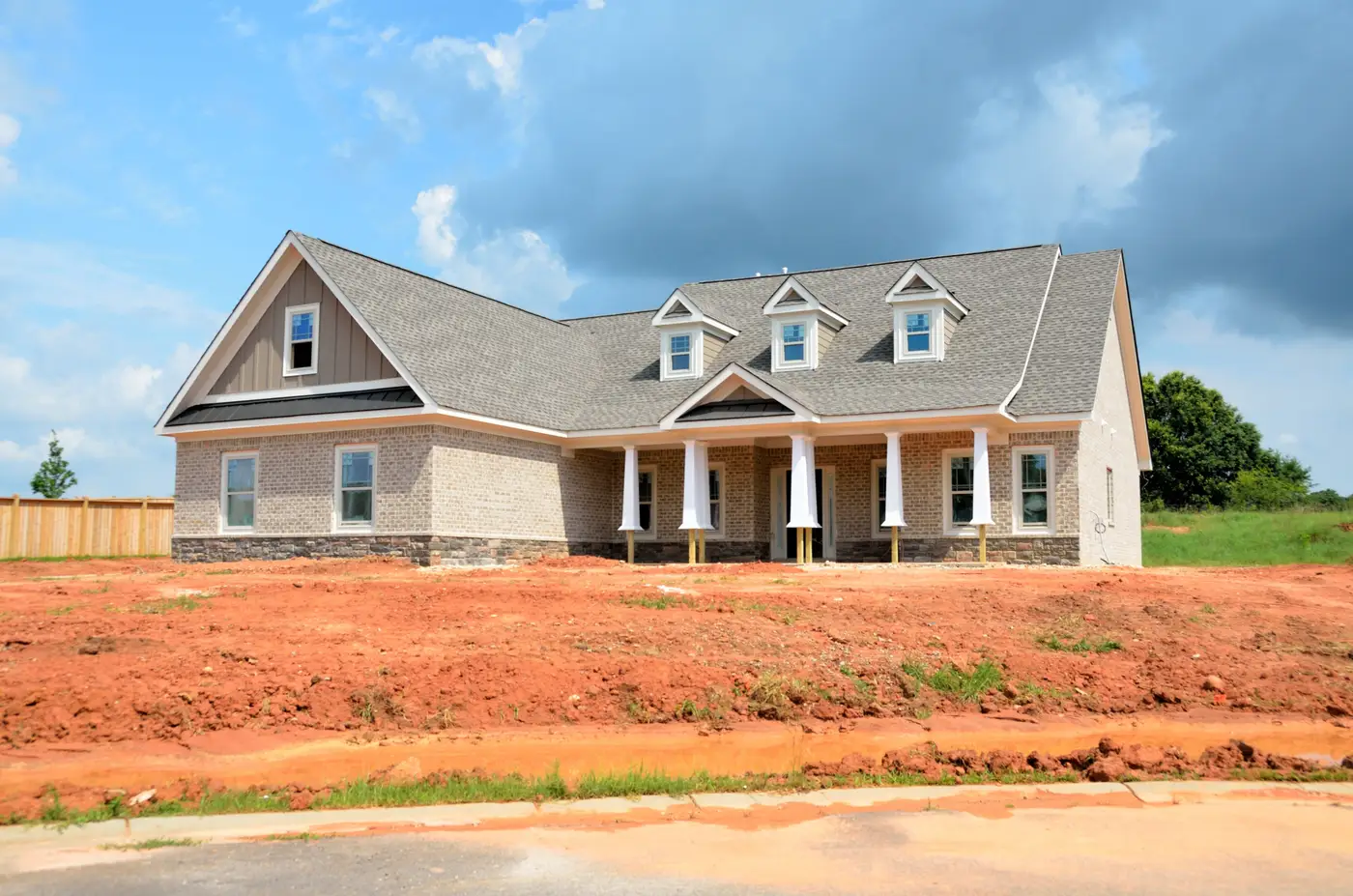 What a punch list is, and why it's your last realistic call window
What a punch list is, where it sits in the build, and why it's the last stretch where a cold call to a job site still works.
13 October 2026
Framing vs. rough-in: reading the stage from the streetWhat to look for from the curb to tell a framing-stage job site from a rough-in stage one, and why a single drive-by still gets it wrong.
13 October 2026
When to call a GC before the spec is already lockedA rep's guide to the real window for getting specified on a GC's job, by delivery method and build stage, before the spec closes.
7 October 2026
Excavator or backhoe on site: what it tells you about dirt work stageWhat an excavator versus a backhoe parked on site actually signals about dirt work stage, plus other groundworks tells before you make the call.
7 October 2026
How to read a construction site sign for bid date and start dateWhat's printed on a job site sign, what it tells you about bid date and start date, and how to track down the GC when it doesn't.
7 October 2026
Tower crane vs mobile crane: what each one tells you about build stageWhat a tower crane, mobile crane, or crawler crane on site tells you about build stage, so you call when the spec is open.
7 October 2026
What is dry-in in commercial construction?What dry-in means on a commercial job, how it differs from rough-in, and how to tell a site is dried in before you make the call.