16 November 2026
Field notes: the subdivision where every lot was a different stage
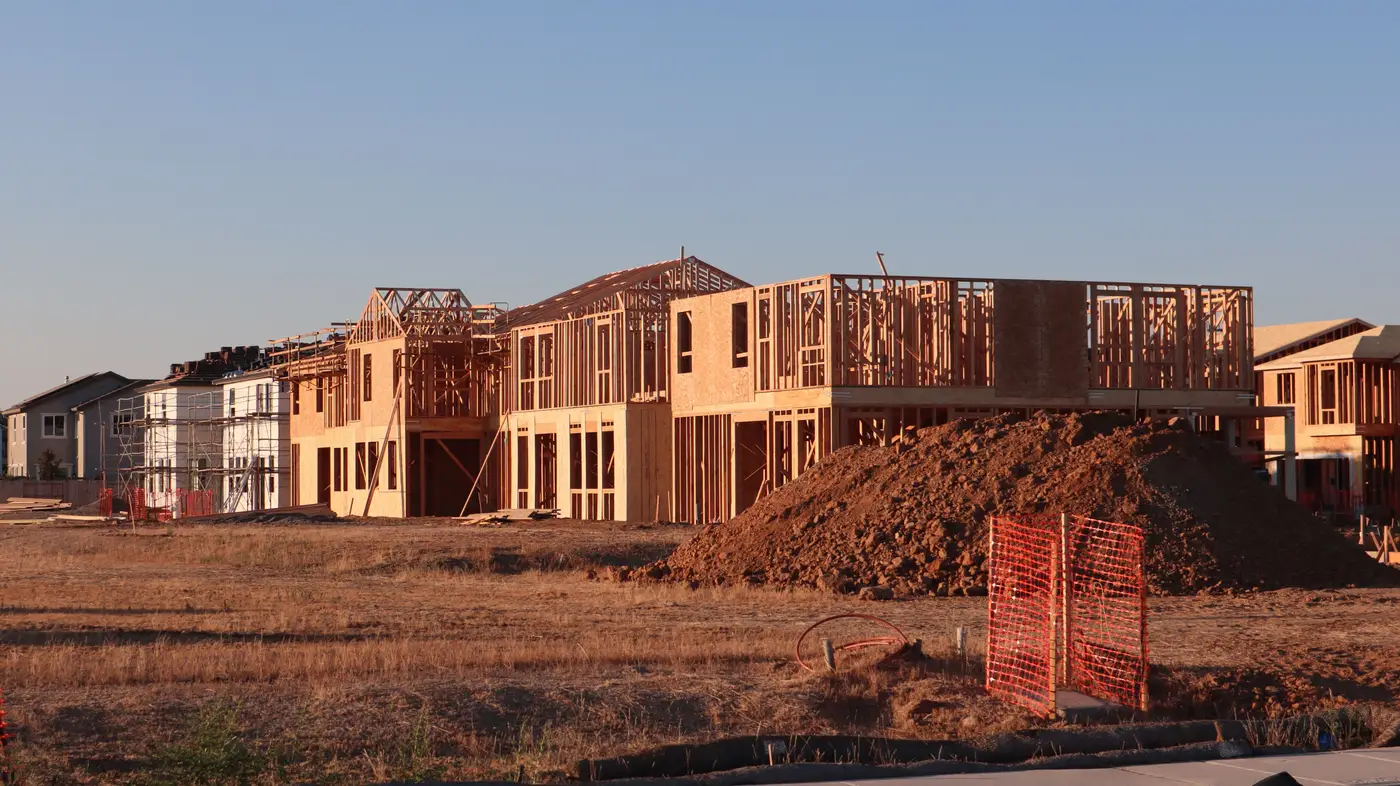
Drove a 40-lot subdivision outside the metro last month, the kind with one builder name on the sign and six different sub crews on site depending on the day. Pulled in expecting a groundworks push. Half the pads were still raw dirt with silt fence flapping. The other half had trusses up and a sheetrock stack under plastic by the garage. One lot, number 14, had a crane outrigger pad poured and nothing else, like somebody started the site and walked off for a week.
That's not unusual for a phased subdivision. What was unusual was the call list my rep had for it: forty addresses, same contact cadence, same pitch about anchors and fasteners for structural work, going out to every one of them the same Tuesday.
Lot 14 wasn't ready for that call. Lot 31, with drywall stacked and ready for hang, was already past it. Somewhere in between there were maybe eight or nine lots where the framing crew was mid-build and the timing was actually right. The list didn't know the difference. It just knew the lots existed.
This is the thing about subdivision work that doesn't show up in a spreadsheet: a development doesn't move as one project. It moves as forty small ones, staggered by whichever crew finished permitting first, whichever lot had a weather delay, whichever pad needed extra compaction. A builder's own super sometimes loses track of where lot 22 stands relative to lot 23. Asking a call list built off a plat map or a permit pull date to know that is asking it to do something it was never built to do.
What I used to do, and what most reps I know still do, is treat the whole list as one call on one day and let the conversation sort out the stage. "Hey, just checking in, how's the build going." That works fine when you're talking to one super on one job. It falls apart at subdivision scale because you're burning the same script on a dirt lot and a lot that's three weeks from final inspection, and the super on the dirt lot has nothing to say to you, and the super on the finished lot already bought his trim package from somebody who called two weeks earlier.
Knowing before you dial which lots are in the window beats any script. A crane on site, material laydown that looks like framing lumber versus finish stock, a stack of what might be drywall under wrap: these are all things you can see in current imagery without a single phone call. Run that against the subdivision's lot list and you get something closer to a stage map than an address list: this lot's in groundworks, these nine are mid-structure, this one's into fit-out. That's the read I was missing on lot 14, and it's the read that would've told me to skip it entirely that week and come back in three.
Plant On Site reads exactly that kind of signal off satellite and aerial imagery every couple weeks and sorts your addresses by the stage each lot is showing on the ground right now, permit date aside. For a subdivision with forty lots moving at forty different speeds, that's the difference between a call list and a build-stage read you can work off of.
Next time I pull into a subdivision like that one, I'd rather already know which lots are worth the knock. Plant On Site is built for exactly that read.