2 November 2026
Field notes: the Tuesday the counterweight showed up before the permit did
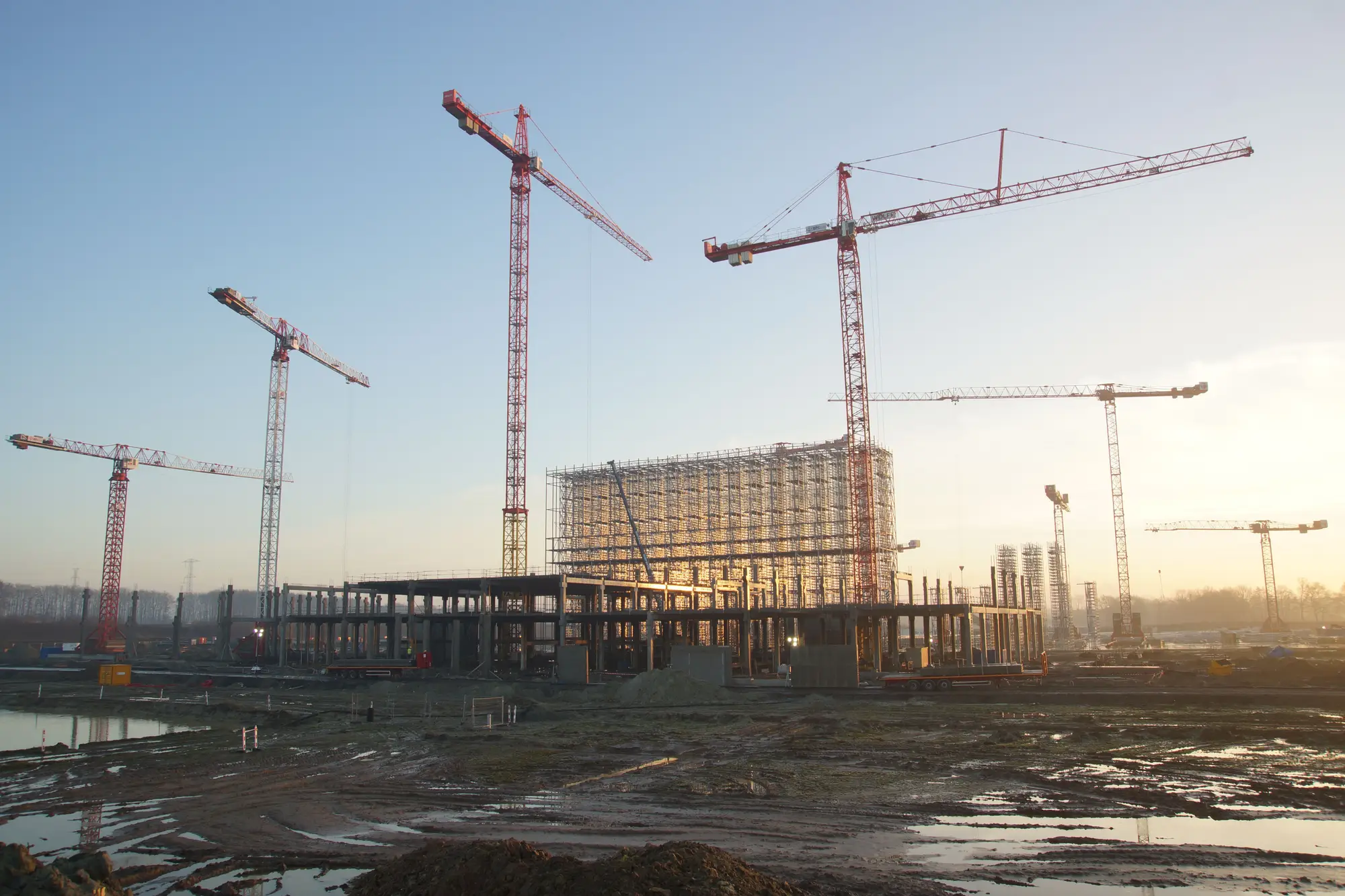
A rep I know works a territory outside Charlotte, mostly mid-rise and light industrial. He tells this one against himself, which is why I believe it.
He had a site on his list, a six-story mixed-use job that had been sitting in the ground for months. Footings poured, slab down, nothing moving for weeks. Then on a Tuesday he drove past and there it was: a counterweight stack and mast sections laid out along the fence line, waiting on an erector crew. His read was instant. Tower crane means vertical construction means somebody's about to start setting steel or forming columns. He called the GC's buyer that afternoon to talk about embeds and anchor bolts, the stuff that needs to be on site before the crane's even picking.
The buyer laughed at him. Not unkindly. The permit for structural steel hadn't cleared yet. The crane rental company had a scheduling conflict two weeks out and needed to drop the mast sections now or lose the slot entirely, so the counterweight sat there for eleven days doing nothing while the GC chased an inspector for sign-off. My guy had called a groundworks site thinking it was a structure site, based on one piece of equipment that showed up early for reasons that had nothing to do with construction sequence and everything to do with a crane broker's calendar.
This is a regular occurrence, not a rare glitch. Equipment mobilizes on its own schedule, which is the schedule of the rental yard, the subcontractor's other jobs, and whoever's trying to avoid a mobilization fee twice. A pump truck can sit idle for a week because the concrete sub booked it before confirming the pour date with the inspector. A scissor lift shows up for electrical rough-in before the drywall's even close to done, because the sparky's crew had a gap. Permits lag reality in one direction and equipment leads it in the other, and the two lines cross in ways that make a single piece of gear a bad proxy for where a job actually sits.
The stage shows in the combination: the crane plus what's piled next to it. A counterweight sitting alone, with no rebar bundles, no formwork panels, and no column cages laid out nearby, is a crane waiting on a permit. A counterweight sitting next to a laydown yard full of structural steel and a stack of decking is a crane about to pour, even with the identical gear parked in the identical spot. The equipment tells you something. The combination tells you the stage.
That's the whole case for not trusting any one signal when you're deciding who to call this week. A crane on site is the start of a sentence, not the sentence. You need to see what else got parked next to it before you know whether the pitch is anchor bolts and embeds or whether it's still erosion control and underground utilities. Plant On Site reads that fuller picture, cranes, excavators, what's piled in the laydown area, and turns it into a stage read updated every couple weeks, so you're not pattern-matching off one truck that showed up early.
My guy did land the deal, three weeks later, once the steel showed up and the permit cleared. The lesson: the laydown pile next to the crane tells you more than the crane itself ever will.
If you'd rather know the stage before you dial, that's the whole point of what we built.