9 November 2026
What is a buyout schedule, and why it tells you which subs are coming next
A buyout schedule is the GC's internal list of every scope on a job, matched to the subcontractor who's going to perform it, and the date they need to be under contract to hit the construction schedule. It covers the procurement side of that schedule: who's been awarded, who's still being bid, and who needs to sign a subcontract agreement in the next two weeks or the whole sequence slips.
Most GCs build this in a spreadsheet before mobilization and keep updating it through the job. Each row is a trade: site utilities, earthwork, concrete, steel, mechanical, electrical, drywall, finishes. Each row tracks scope definition, bid date, bid leveling, award date, subcontract execution, and sometimes a submittal or long-lead procurement date for anything with a lead time that could hold up the schedule. A buyout meeting is usually where the PM and the ops team walk that list trade by trade and decide who's getting the award.
Why buyout order predicts who shows up on site
Buyout doesn't happen all at once, and it doesn't follow a single straight line either. Early scopes like site utilities, demo, and earthwork get bought out before the GC has even pulled a permit, because that work starts day one. Structural trades like concrete and steel get bought out next, usually once the GC has a guaranteed price and the design is far enough along to level bids. Interior trades (drywall, paint, flooring, finish carpentry) often don't get bought out until the building is closed in, sometimes months after the first sub broke ground.
That order is the whole point for anyone selling into the job. If you know a GC just finished buyout on the concrete package, you know a concrete sub is about to mobilize, which means formwork, rebar, and ready-mix suppliers have a window right now. If drywall buyout hasn't happened yet, calling the drywall contractor today is a wasted call. They don't have a signed subcontract, a crew lined up, or a material list yet. They'll take your call in four months, once they're buying.
A GC buyout schedule for suppliers is basically a forward calendar of exactly that. It tells you which subs are about to go active on a job, and roughly when.
The problem: nobody hands you the buyout schedule
A buyout schedule is an internal GC document. Unless you have a direct relationship with the PM or estimator and they're willing to share it, or unless you're pulling it indirectly from plan rooms, bid boards, and trade association leads (which only cover the jobs that come across those channels), you're mostly guessing at where a job sits in its buyout sequence. A permit pulled six months ago tells you almost nothing about whether the mechanical sub has been awarded yet.
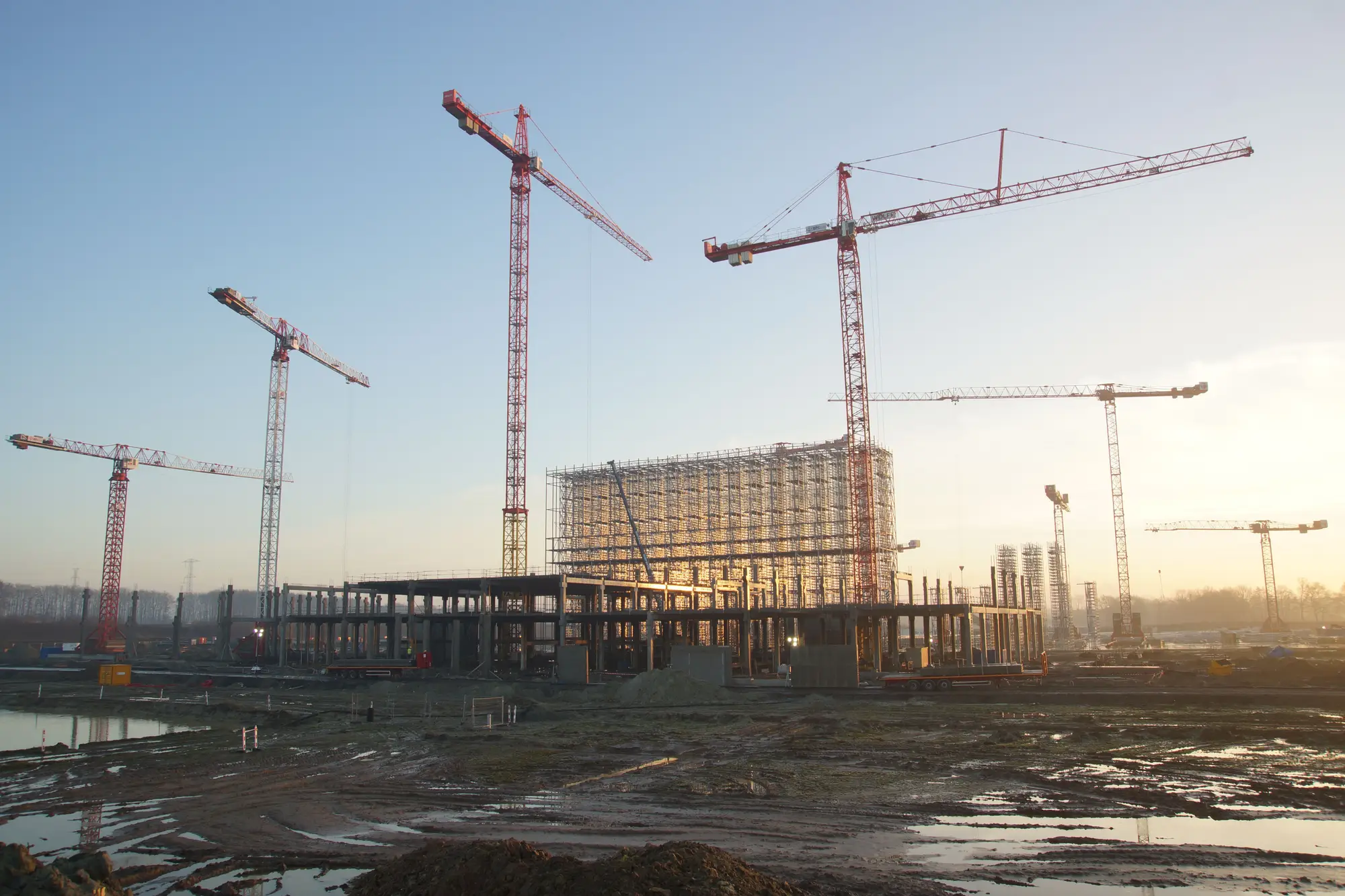
What sits on a jobsite at any given moment is a pretty honest proxy for where buyout has gotten to, though. A crane and stacked rebar mean the structural package is bought and running. Palletized drywall and scaffolding staged inside mean the interior trades are mobilizing, which means their material and equipment suppliers are in buying mode right now too. That's the gap Plant On Site is built to close: it reads what's parked and stacked on a site from aerial imagery and turns that into a build-stage read, updated roughly every two weeks, so you're not relying on a permit date or a hopeful guess about who's been bought out.
You still won't get the GC's actual spreadsheet. But you'll know which stage a job just moved into, which is close enough to time the call right.
Run your list past it and see which sites just moved into your stage.