13 October 2026
When to call a GC before the spec is already locked
Most reps find out the spec is locked the same way: the GC says "we're already committed to [competitor]" on a call that was supposed to be a warm intro. By then the architect signed off weeks ago and the submittal's already in review. The window closed before you dialed.
The honest answer to "when do I call" is tied to where the actual decision gets made, which moves depending on the delivery method, the trade, and how far along the site already is.
Where the spec actually gets locked
On a design-bid-build job, the spec is set on paper long before mobilization. The architect and engineer write the CDs, the GC bids off those drawings, and by the time dirt moves, your product category is either named in Division 09 (or wherever it lives) or it's not. Calling after groundworks start on one of these is calling after the fact. Your real window was back at 60-90% CDs, when the design team was still taking calls about product data sheets and substitution requests hadn't been closed out yet.
Design-build and CM-at-risk jobs run differently. The GC or CM is pulled in early, sometimes before permits, and they're the ones steering material choices alongside the design-builder. On these jobs the window stretches later, often into early mobilization, because the GC still has room to push a product swap if the numbers work and the sub hasn't ordered yet.
The problem for a sales rep working a territory list is that you usually can't tell which delivery method a given address is using just by driving past it, and project databases lag or miss smaller jobs entirely. You end up calling everyone on the same Tuesday regardless of whether they're three weeks from mobilization or three months into vertical.
Reading the job site instead of guessing
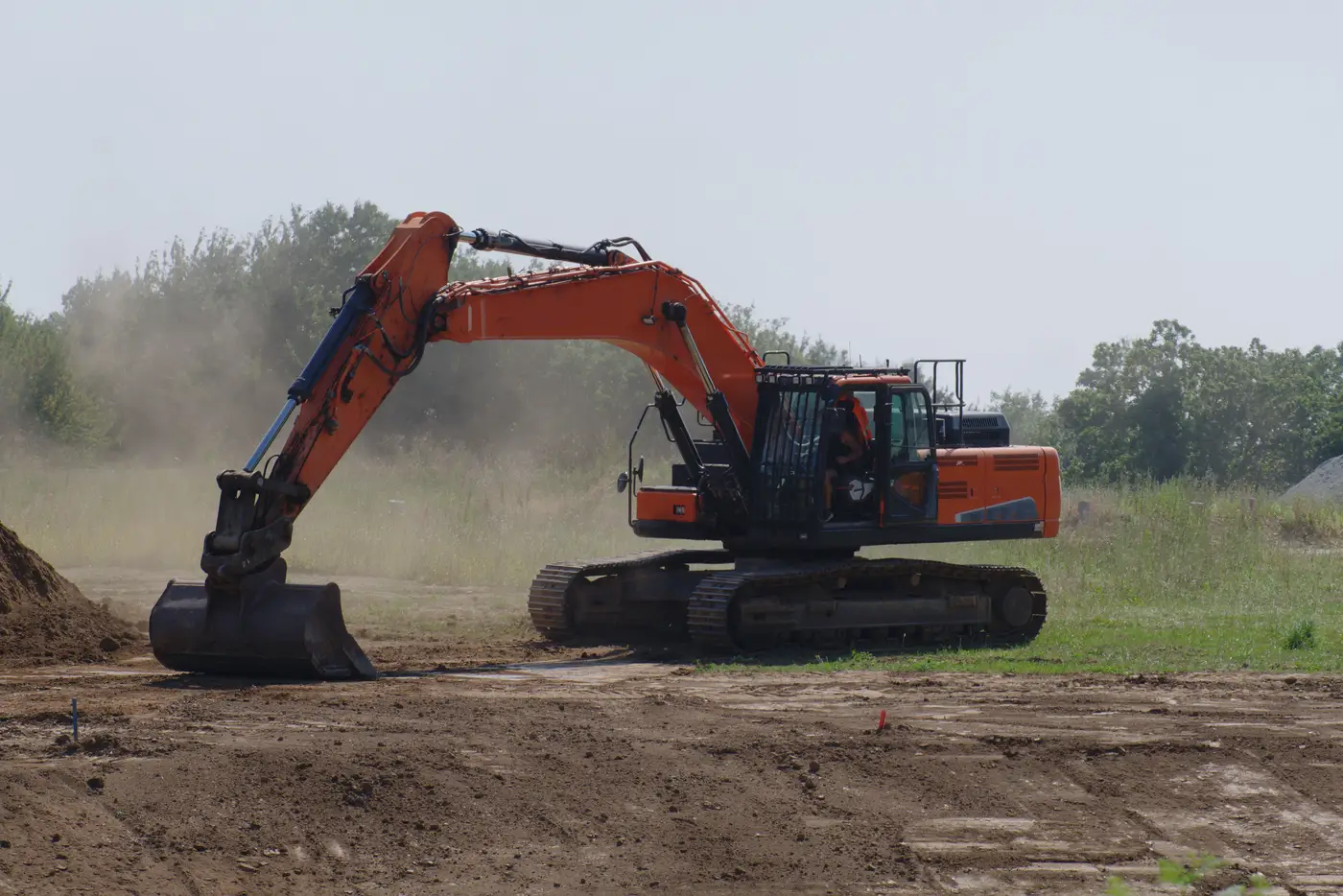
A faster tell than digging through permit records is what's sitting on the lot. A site with silt fence, a grading contractor's pickup, and a mobile office trailer is still in groundworks. That's your window for anything tied to foundations, underslab, or site utilities, and it's often too early for finish-level products.
A tower crane and a stack of rebar or steel means structure is underway. Fit-out trades (drywall, MEP rough-in, flooring) haven't been bid out yet in a lot of cases, which means specs in that lane can still move, especially if the GC is running a value-engineering pass to hit budget.
Laydown yards full of interior material, lifts parked near the building, and the absence of exterior crane activity usually mean fit-out has started. If your product lives in that phase and you're just now calling, you're late. If it lives earlier, you already missed the window and this site should drop off your list until the next one comes up.
This is the logic behind Plant On Site: it reads what's parked and stacked on a jobsite from overhead imagery, sorts it into groundworks, structure, or fit-out, and refreshes that read roughly every two weeks. Instead of working a flat address list cold, a rep can see which sites just moved into the phase their product gets specified for and call those first.
A rough timing guide by trade
Site utilities and underslab products: call during groundworks, before the GC has a signed excavation sub. Structural and envelope products: call as steel or precast starts going up, before the structural package is bought out. Finish and MEP products: call once fit-out trades are visible, but before drywall closes up the rough-in.
None of this replaces knowing your GCs and your market. It just narrows the list down to who's in the window this week instead of guessing from a spreadsheet that was accurate two months ago.
If timing calls to build stage instead of a stale list sounds useful, that's the whole job Plant On Site was built to do.